
Chateau Changyu Moser XV
A château at the foot of the Helan Mountains in Ningxia. Changyu, China’s first winery, and the Austrian Moser family make its wines together.
张裕摩塞尔十五世酒庄
A Chinese pioneer and an Austrian wine family
The principal idea of this château is the cooperation between Changyu and the Moser family, a European spirit of excellence spanning 15 generations in wine. Despite the cultural differences between these two worlds, they became partners 20 years ago and still share the same vision: to be the first from China to go global.
- 1610Rohrendorf, Lower Austria
The Moser family has been in the wine business since 1610. Lenz M. Moser is the 15th in the direct lineage. His grandfather Professor Lorenz Moser III developed the Lenz Moser Hocherziehung, a trellising system used across Europe.
- 1892Yantai, Shandong
Zhang Bishi, an overseas Chinese diplomat, founded Changyu as the very first winery in China. He imported more than 500,000 vine plants from the U.S. and Europe, supported by an Austrian viticulturist, August Wilhelm Baron von Babo.
- 2013Ningxia, at the Helan Mountains
On 18 August 2013 the château opened its doors. Since 2015 Lenz M. Moser has been in charge of the wines, making them and taking them to the world.
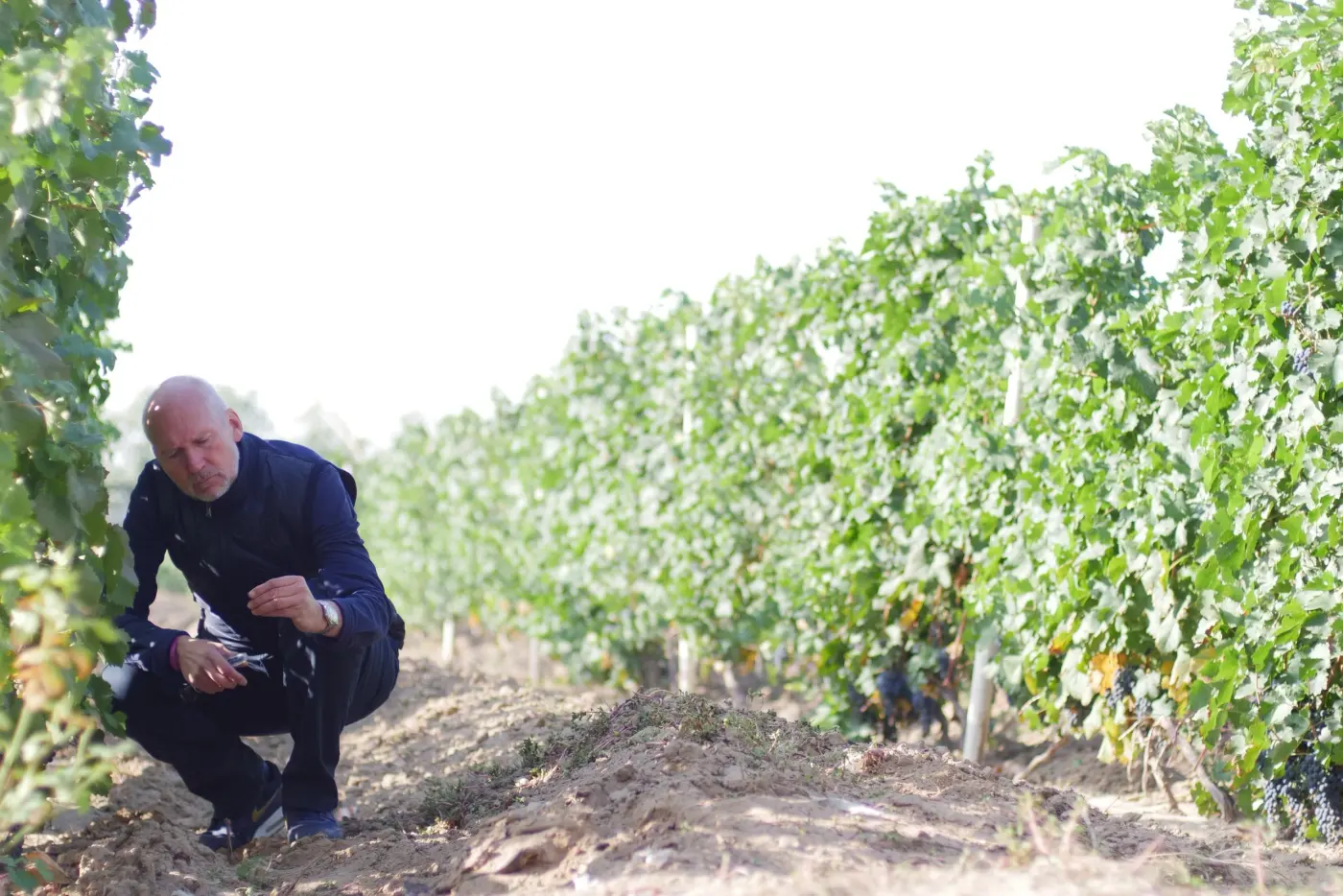
Ten vintages made on site
Lenz M. Moser makes the wines at the château himself, together with Chinese winemaker Jiang Wenguang. He spends the entire harvest in Ningxia and comes to the château five times a year, about three months in total.
The goal from the start: the typical and authentic Ningxia style of wine.
Château Changyu Moser XV is not driven by fashion but by quality. We wish to excite our followers with ever improving quality. This is the task we strive for in every single vintage.
1,100 metres up, on the edge of the Gobi
Ningxia lies about 1,330 kilometres west of Beijing, in central western China on the fringes of the Gobi desert. It feeds off the Yellow River, which has its source on the Tibetan Plateau.
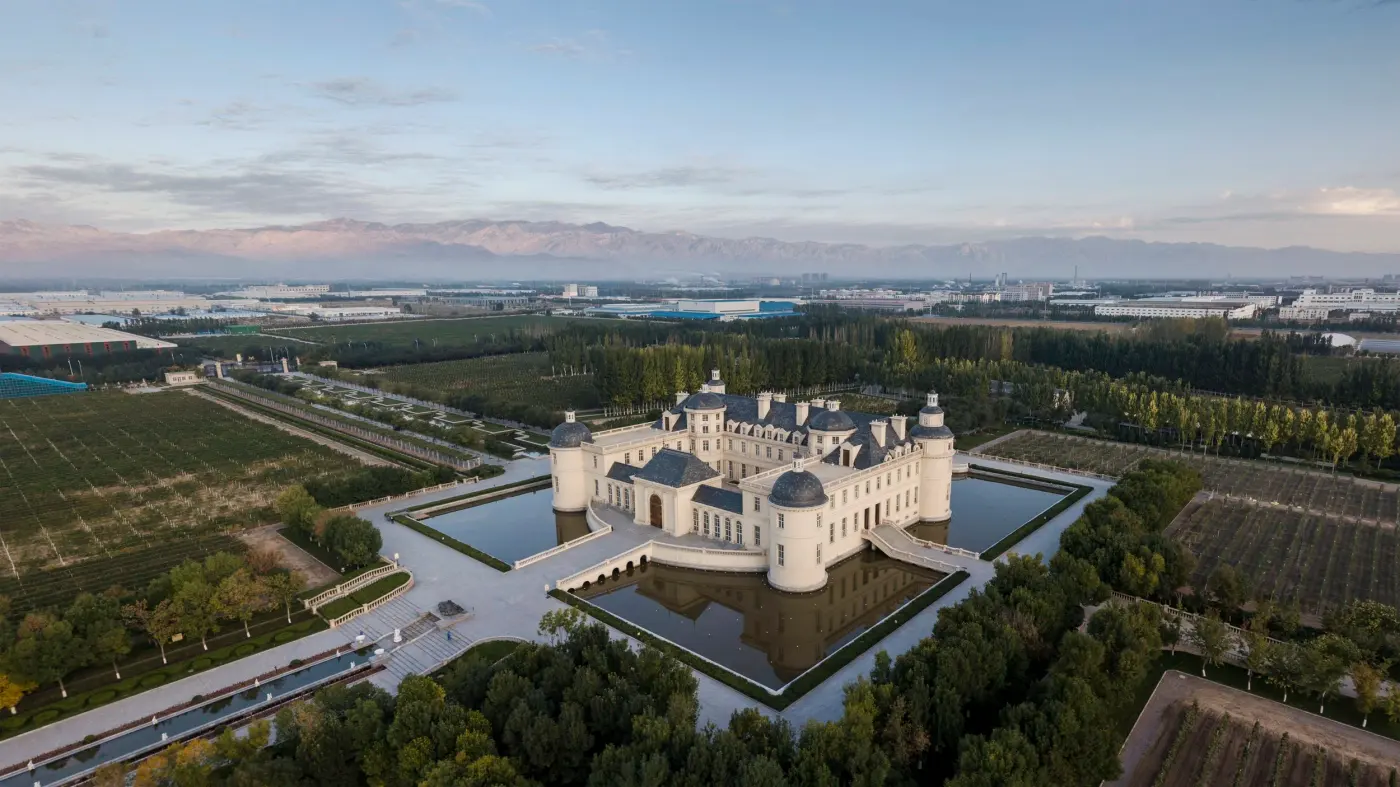
The desert with its hot daytime temperatures and cold nights helps the wines to retain their freshness.
- Altitude
- 1,100 metres above sea level
- Grape
- Cabernet Sauvignon, from small berries that protect themselves against the dry desert air
- Extract
- About 25 % more than in European Cabernet Sauvignon, thanks to the skin to juice ratio
- River
- The Yellow River, from the Tibetan Plateau
Six wines, all from Cabernet Sauvignon
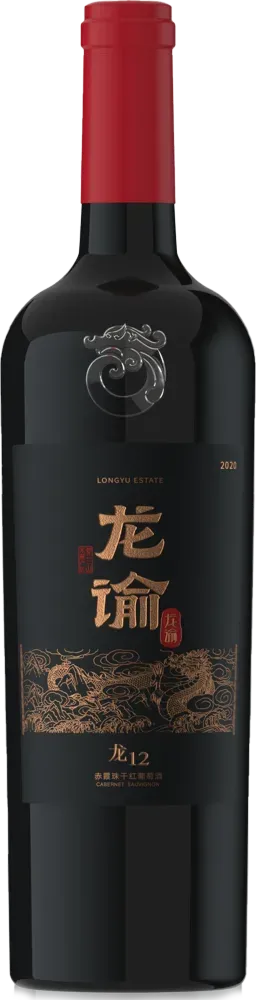
Four reds and two whites. All estate bottled at the château, all with tasting notes by Lenz M. Moser.
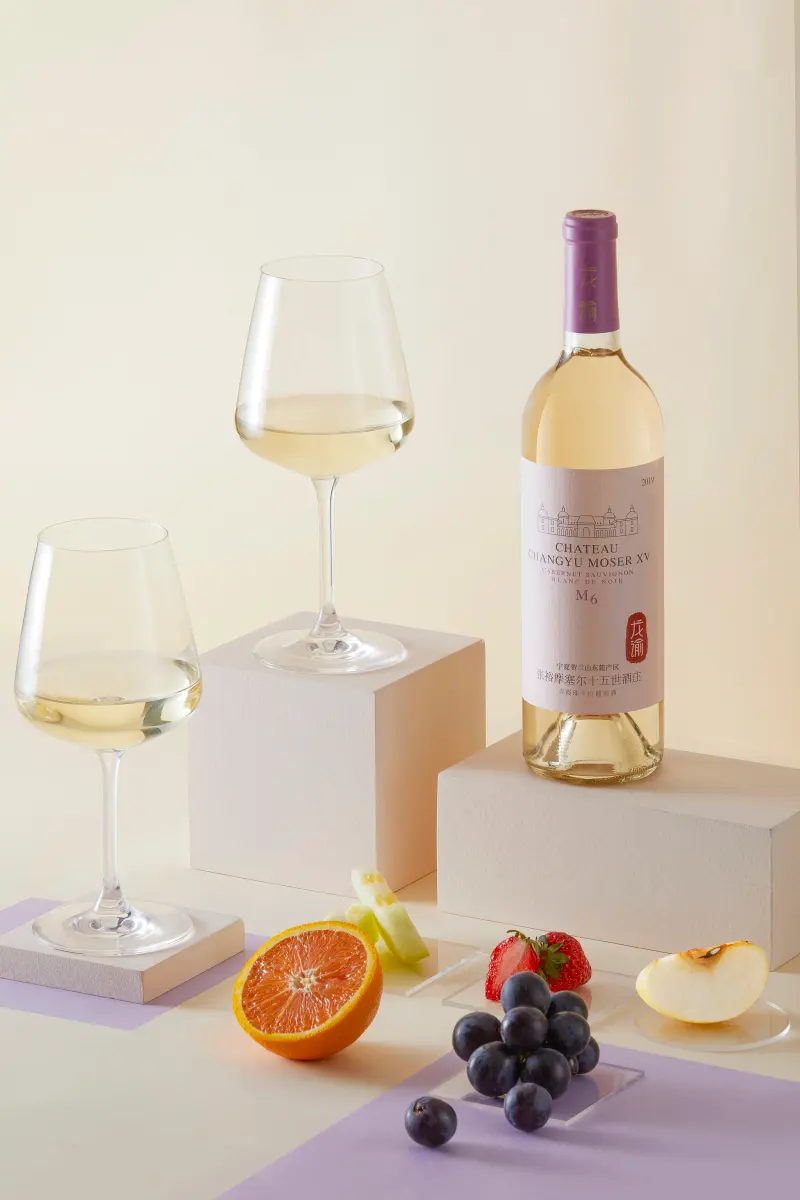
A white wine from red grapes, made in ten minutes
The de-stemmed Cabernet Sauvignon grapes are bled immediately for the white. We have ten minutes to make this wine. It comes from five plots adjacent to or on the grounds of the château, all managed by our own team.
Ten minutes on the clock, from press to juice.
The zesty grapefruit and gooseberry notes may remind you of a Sauvignon Blanc, while the texture and richness bring to mind a fine Chardonnay. The château calls it true innovation: still the first White Cabernet in the world.
See the White CabernetIn winter the vines go underground
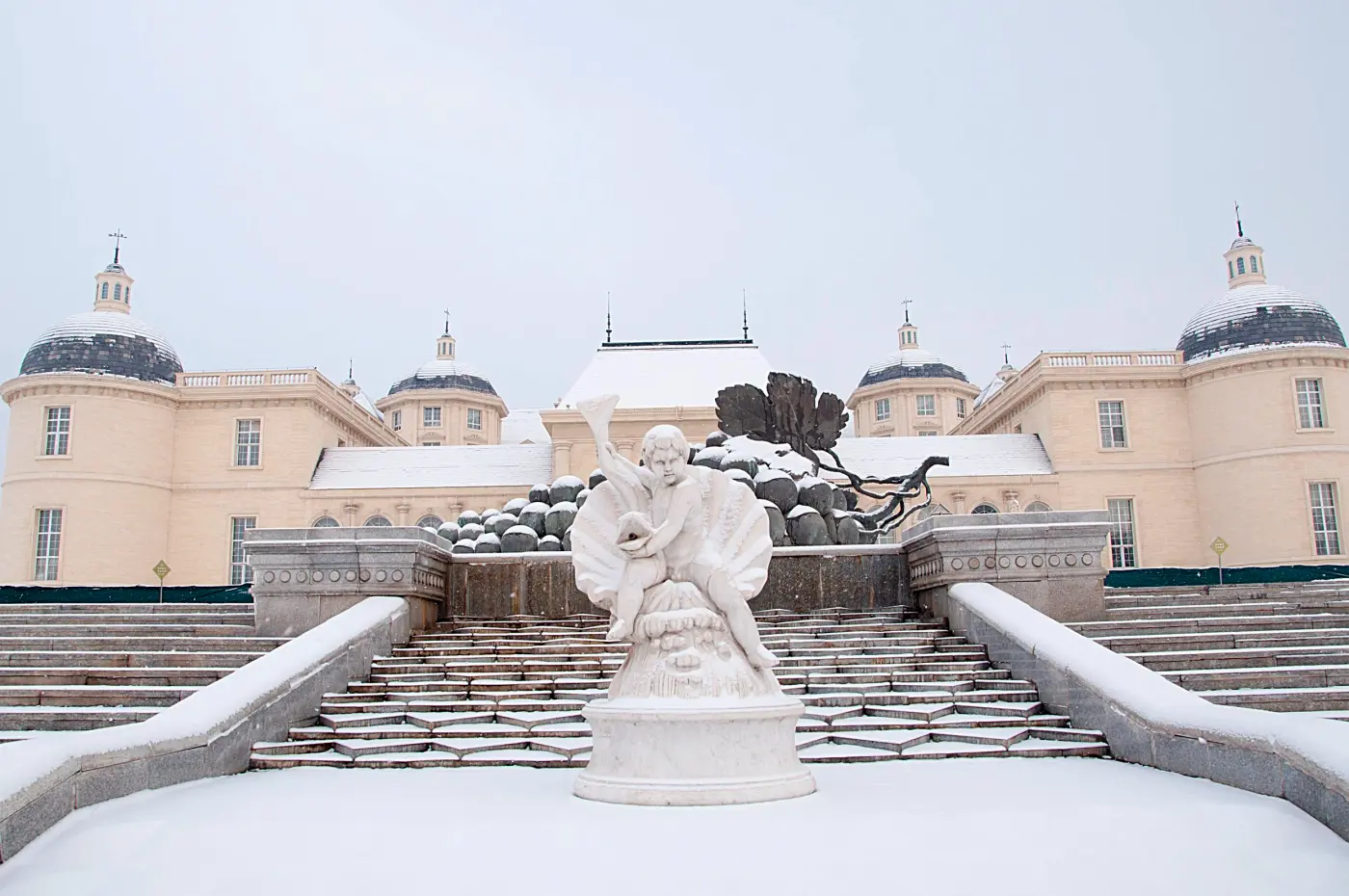
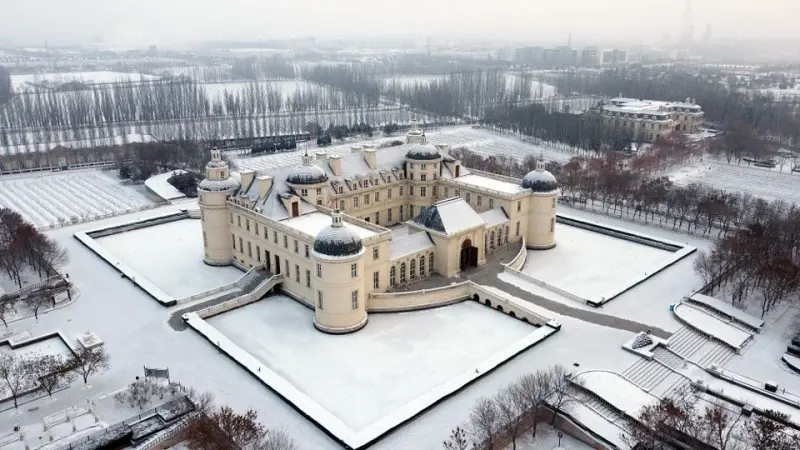
Winter in Ningxia gets as cold as minus 25 degrees. To protect them, the vines are buried every year and dug out again in spring.
The same cold nights that keep the wines fresh in summer cover the château in snow in winter.
In the press this year
- 30 Sep 2026VinumEin Österreicher in der Wüste Chinas
- 26 Sep 2026Drink RetailingChinese producer Château Changyu Moser XV increases UK focus
- 11 Sep 2026DecanterLongyu L12 2021, 94/100
- 6 Aug 2026Drinks BusinessLap of luxury: what’s the future for fine wine in China?
- 15 Jul 2026China DailyChinese wine aims to win over Europe
- 28 Apr 2026HarpersEnotria adds first Chinese wine to its portfolio
- 2 Apr 2026DecanterMoser Family Cabernet Sauvignon Blanc de Noir, 90/100
- 19 Feb 2026Food & WineChinese wine is no longer imitating Europe, it’s defining itself
Write to Lenz M. Moser
For trade, importers, press and anyone who would like to taste the wines.